Infrastructure
Presentation
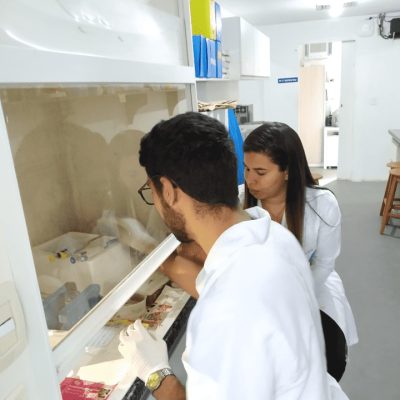
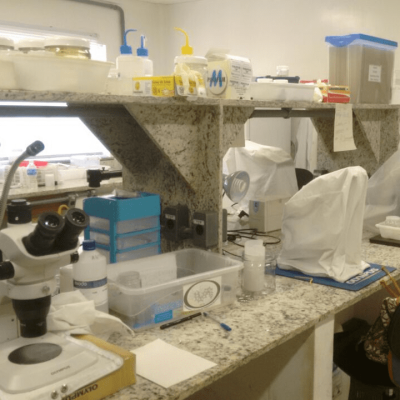
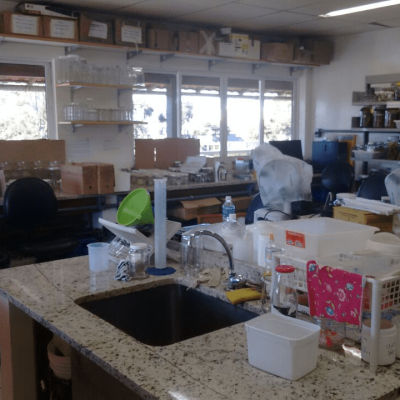
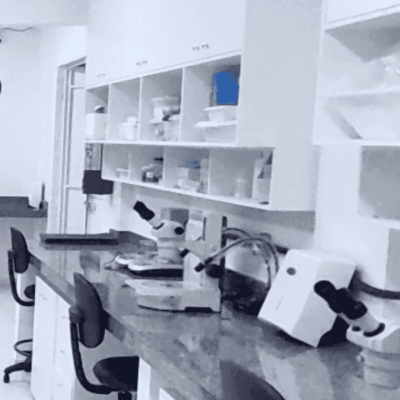
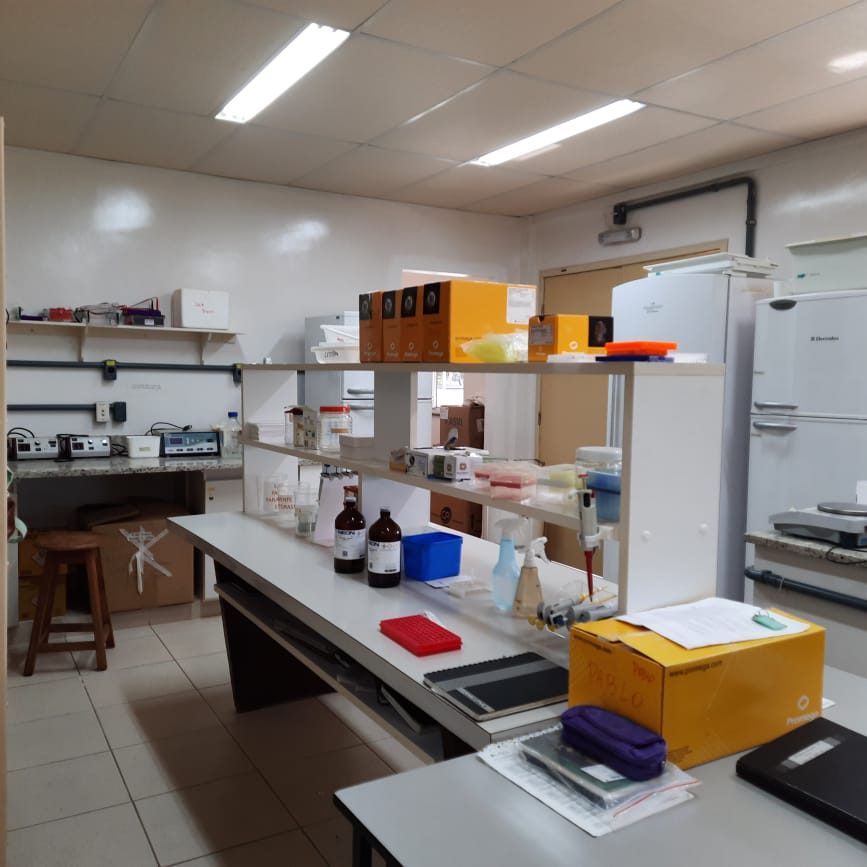
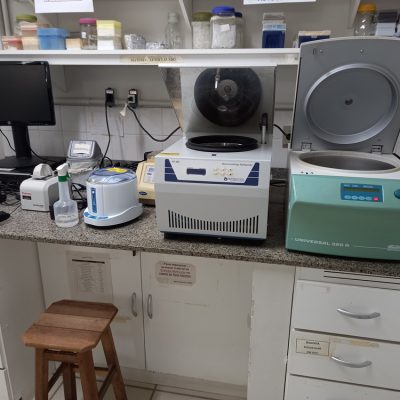
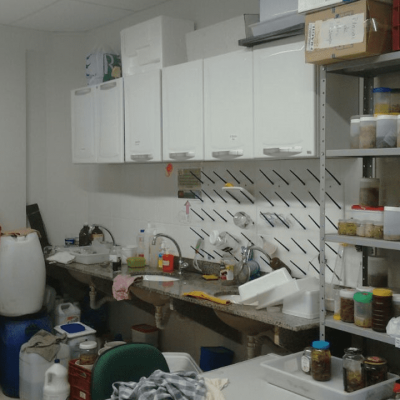
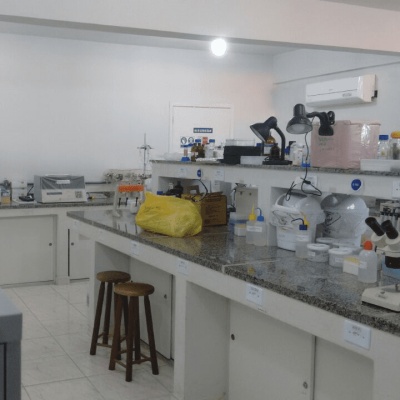
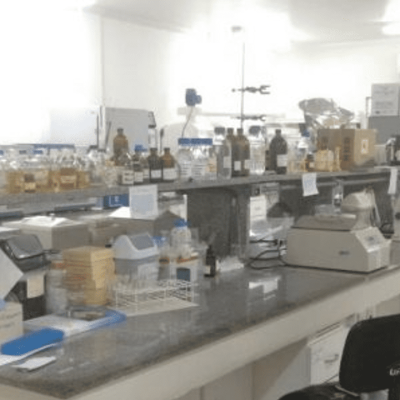
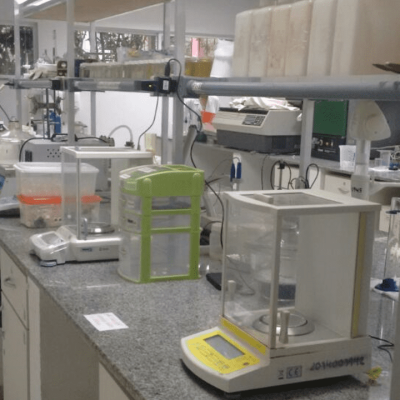
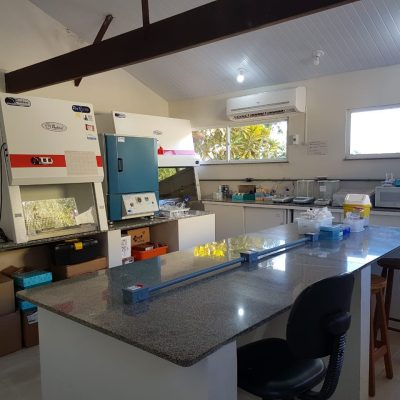
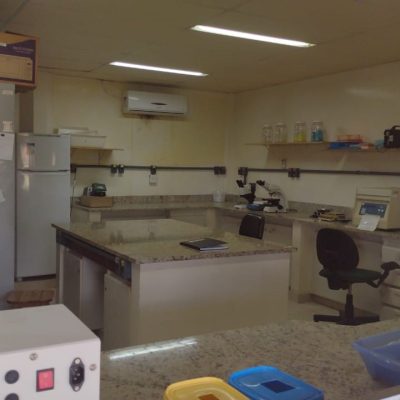
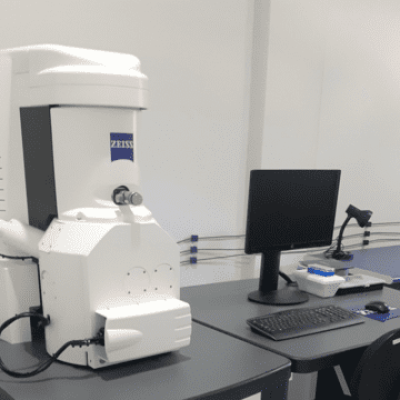
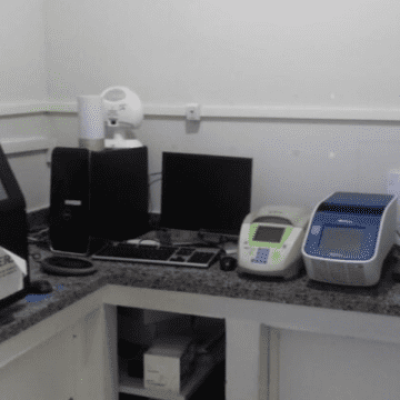
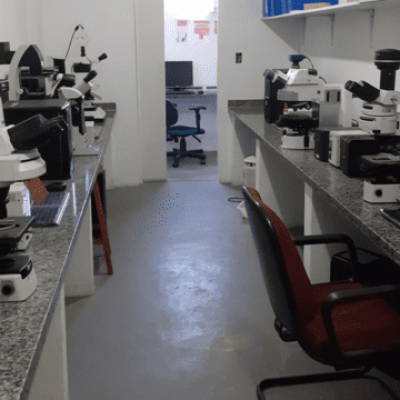
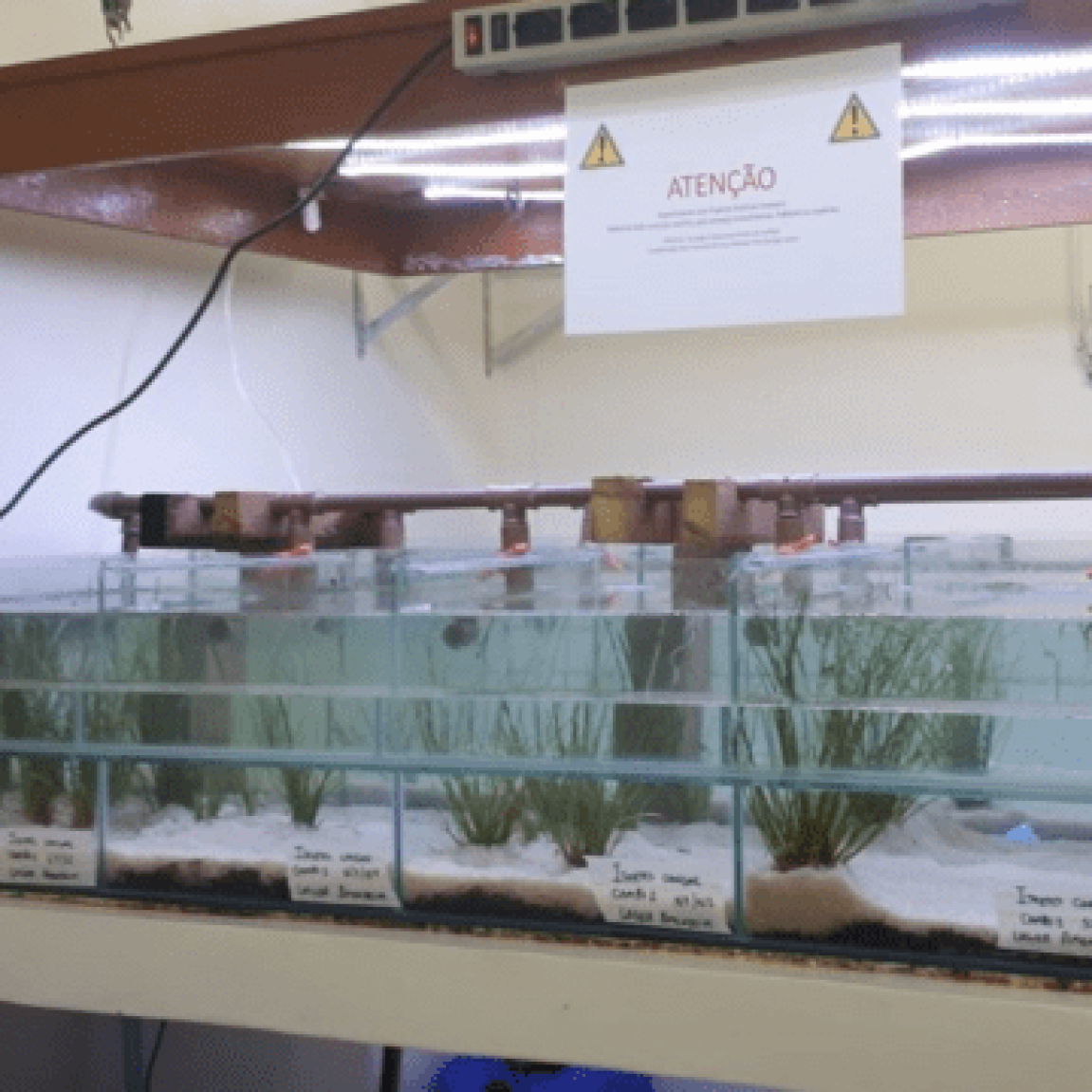
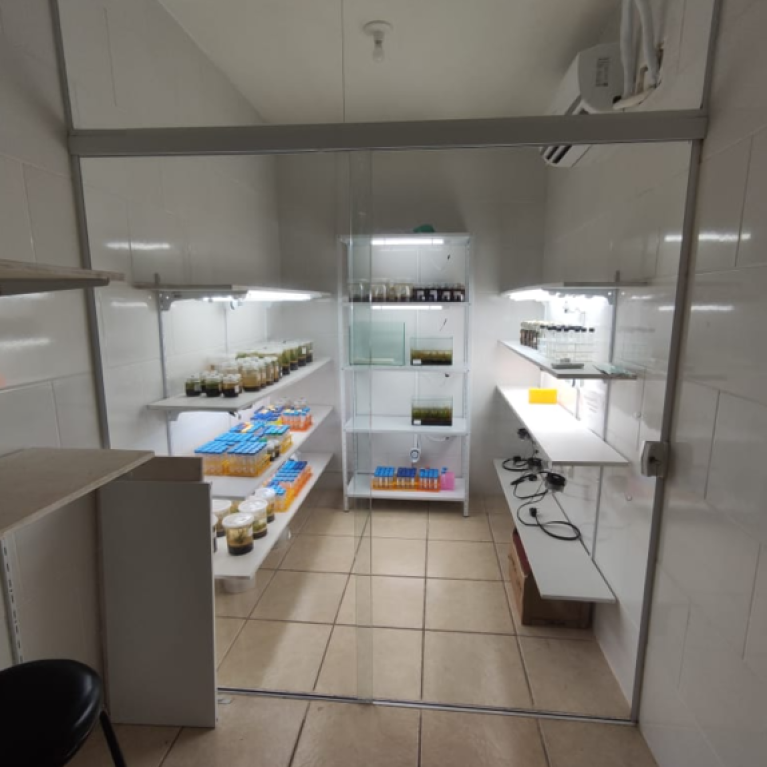
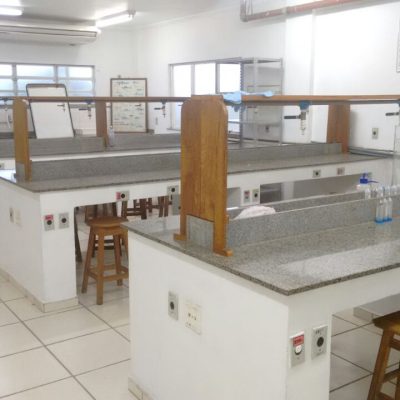
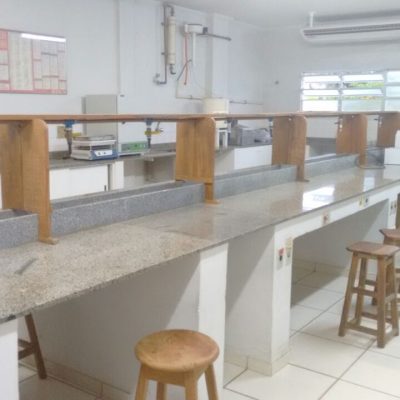
Graduate students, postdoctoral researchers, and faculty members of PPG-CiAC have access to 17 laboratories, four scientific collections, and seven support laboratory structures located at the Biodiversity and Sustainability Institute (NUPEM/UFRJ), headquarters of PPG-CiAC. These facilities meet the structural and technological demands of the vast majority of research and outreach projects developed by them.
All laboratories are designed and structured for use by various faculty members and graduate students, following a multi-user model. Besides promoting better utilization of equipment and space, this laboratory management model encourages integration among users and technicians from different areas during their daily research activities.
For more information, click here.
Teaching and Outreach Spaces at NUPEM/UFRJ are well-equipped for practical and theoretical classes in teacher training courses, activities with students from the Macaé school network and neighboring municipalities, as well as, activities from other universities and partner institutions. Annually, NUPEM/UFRJ hosts over 1,000 students from at least 20 public and private schools in the region for activities in outreach spaces, biological collections, and institutional laboratories. Graduate students and faculty members of PPG-CiAC participate in various activities dedicated to scientific dissemination in these spaces.
For more information, click here.
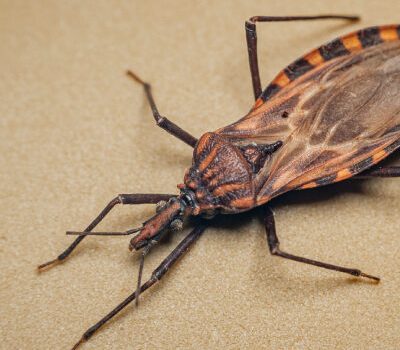
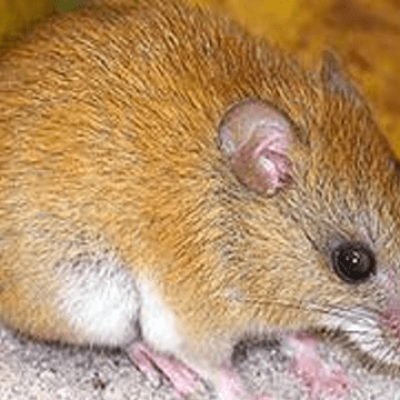
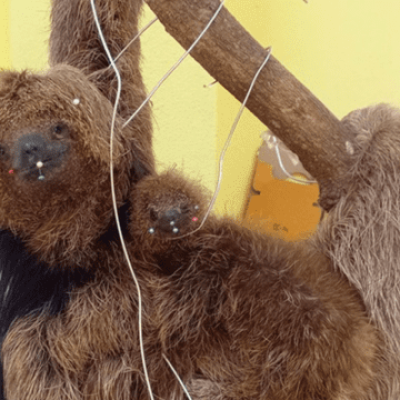
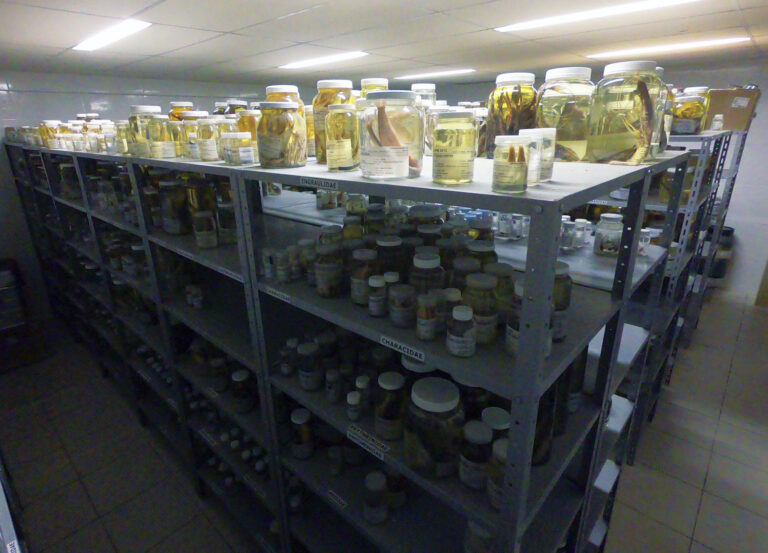
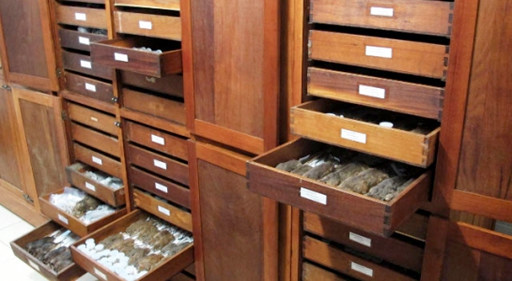
The Biological Collections at NUPEM/UFRJ house over 120,000 fish specimens, 2,200 mammals, 60 birds, 5,600 marine invertebrates, and 2,000 insects, as well as 1,240 macroalgae specimens and 2,560 vascular plants. These collections document the high biodiversity present in continental and marine ecosystems of northern State of Rio de Janeiro and other regions of the country, and they are the subject of study by PPG-CiAC graduate students. The biological collections at NUPEM/UFRJ are institutionally recognized through numerous scientific articles. Access to these collections is open to the community upon request to their respective curators, all of whom are faculty members of PPG-CiAC.
For more information, click here.
PPG-CiAC students have access to all laboratories, biological collections, and equipment upon approval from their respective advisors and laboratory coordinators.
Biologists, technologists, animal care technicians, and laboratory technicians, some of whom are PPG-CiAC alumni, assist the most frequently used laboratories and those with the most analytical instruments, guiding graduate students in their use.
Laboratories
NUPEM/UFRJ laboratories are used by faculty members, graduate students, and undergraduate research trainees.
RESEARCH LABORATORIES
TECHNICAL-SCIENTIFIC SUPPORT LABORATORIES
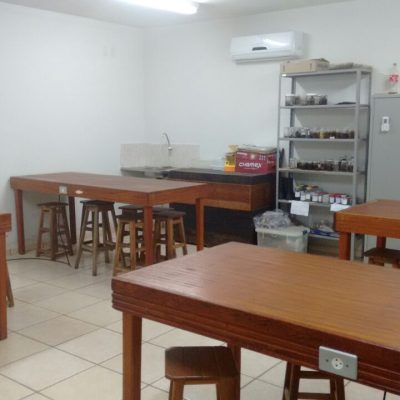
TEACHING AND OUTREACH SPACES


Science and Health Trail
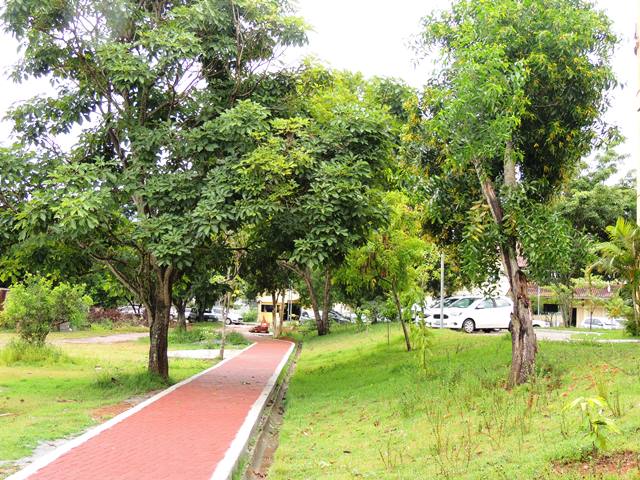
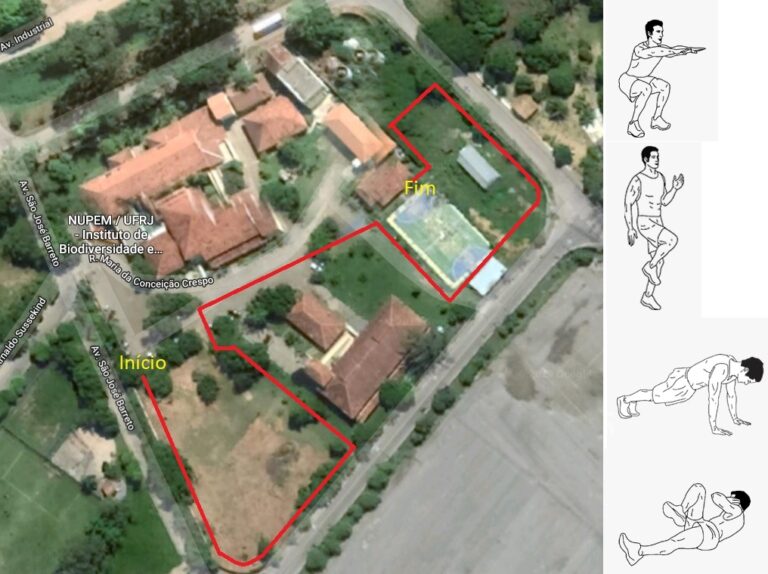
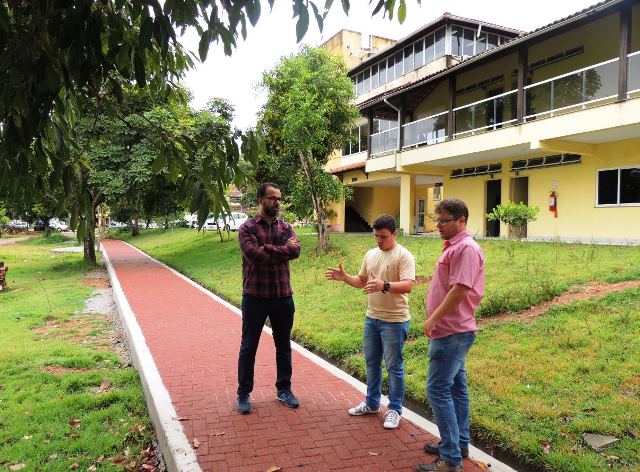
The Science and Health Trail aims to encourage the pursuit of knowledge dynamically, while simultaneously providing a space for physical exercise for the population of Macaé and the region. This is part of an effort to integrate the University with society in an inclusive way, ensuring accessibility for people with special needs.
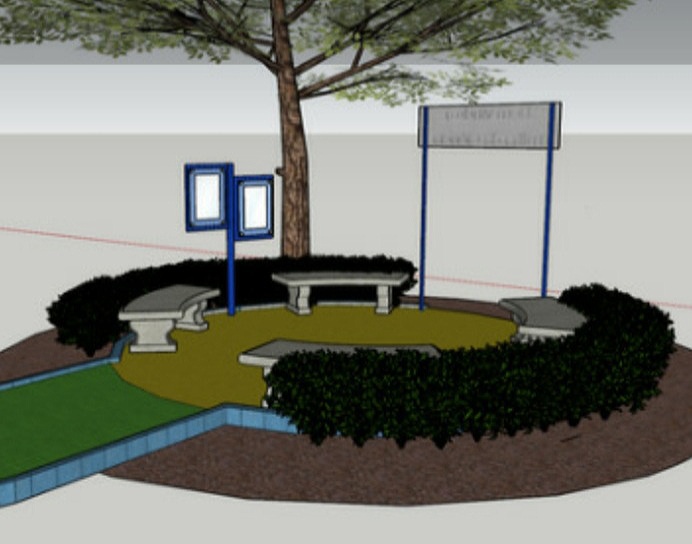
Along the 500-meter trail, visitors will find information about the region’s ecosystems and Brazil’s biomes, the geological history of the Earth, the evolution of the relationship between People and the Environment, and instructions for physical exercises at each station.


Auditorium
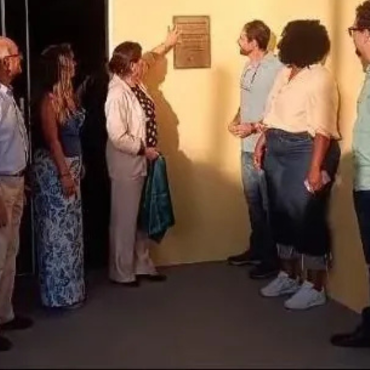
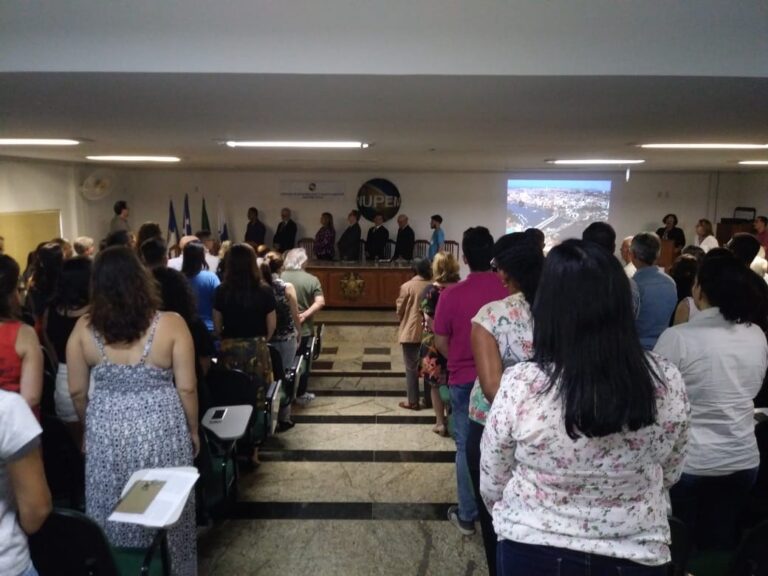
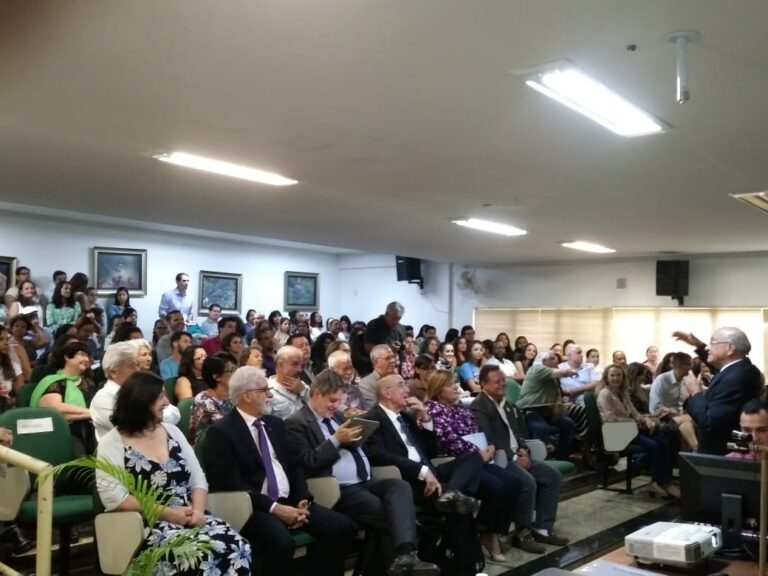
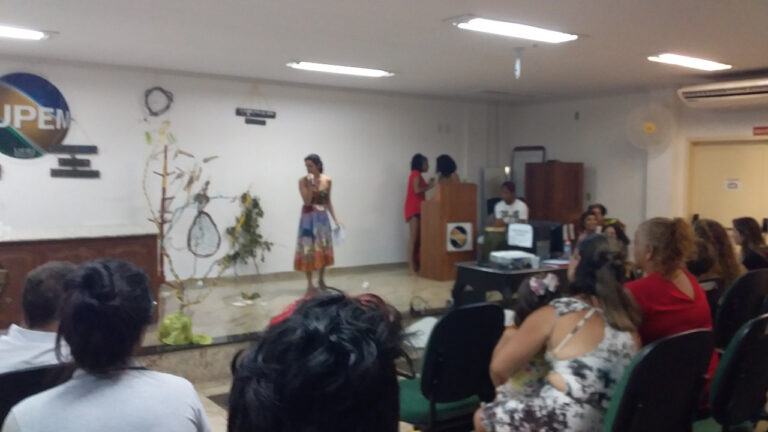
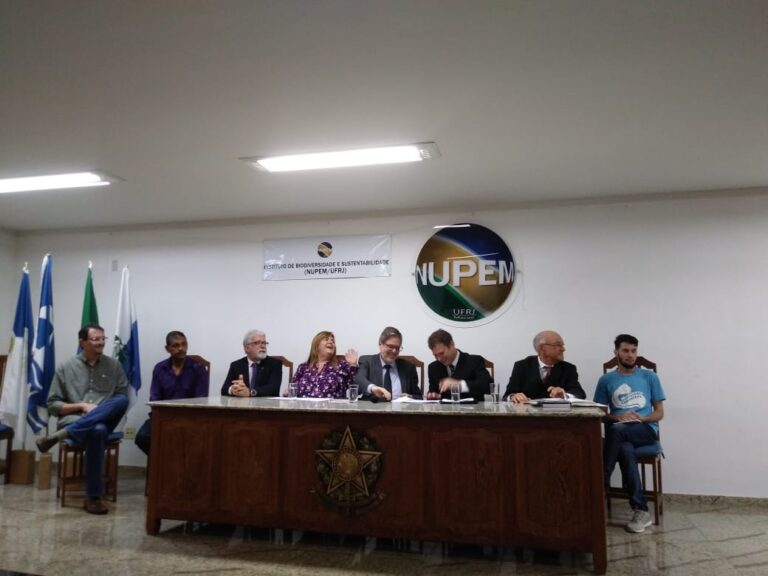
The NUPEM/UFRJ Institute has an auditorium for conferences and lectures, with a capacity of over 100 people. The auditorium is equipped with multimedia, projection, and sound equipment, having hosted several important scientific and educational events in Macaé, such as lecture, thesis and dissertation defenses, outreach courses for society, and the celebration of agreements, among other activities.
Library
The NUPEM/UFRJ library covers an area of 103.5 m², comprising a general collection (63.60 m²), internal services (21.00 m²), and reading/circulation (18.90 m²). This library is used by students and faculty from undergraduate and graduate courses at the Institute, as well as visitors. Computers are available for the academic community. The collection distribution adequately covers natural, chemical, pharmaceutical, medical, and human sciences.
Additionally, the library is interconnected with all UFRJ units through the Library and Information System (SIBI/UFRJ), capable of carrying out loan operations through the National and International Networked Bibliographic Switching Program (COMUT) and providing direct access to the Capes Journal Portal.
Librarians and specialized technicians continuously invest in training students to use the services available at UFRJ libraries.
Learn more by clicking here.


Social Interaction Space
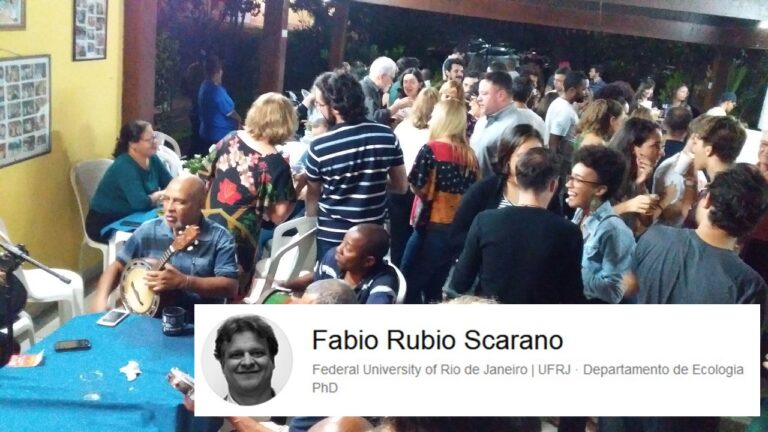
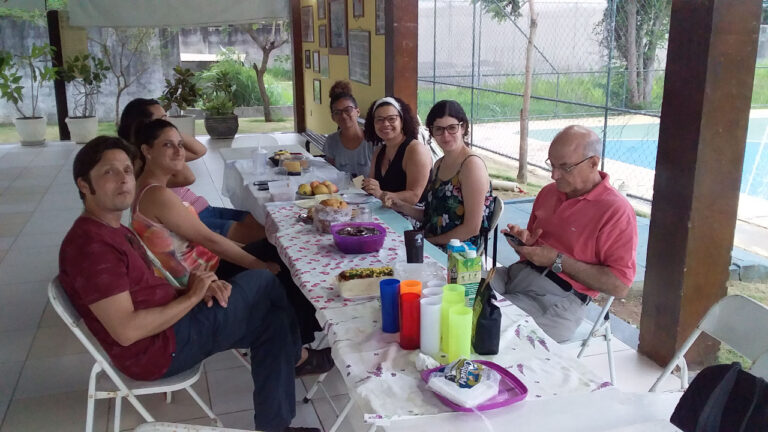
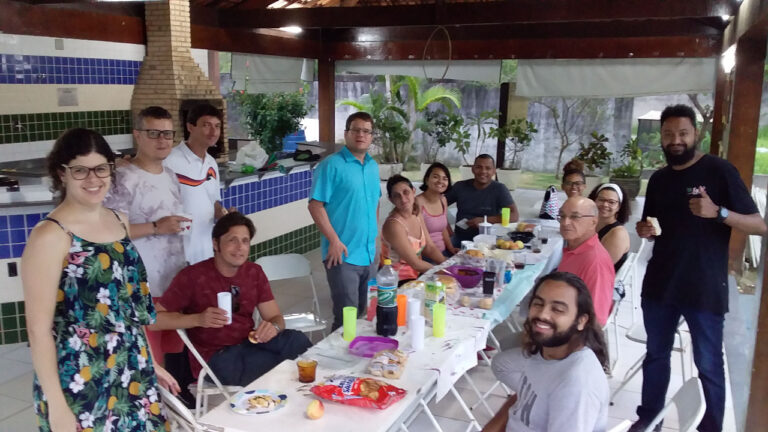
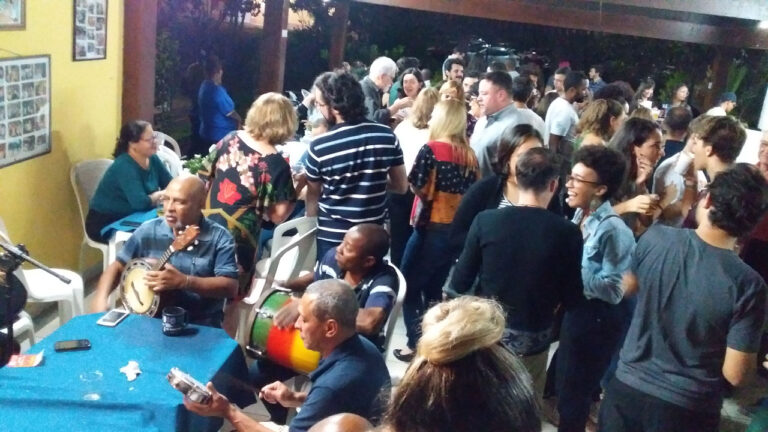
A place designed to promote moments of integration, with the necessary infrastructure to host celebrations, classes, and informal meetings. The Social Interaction Space can be reserved by the academic community for events.
Sports Court
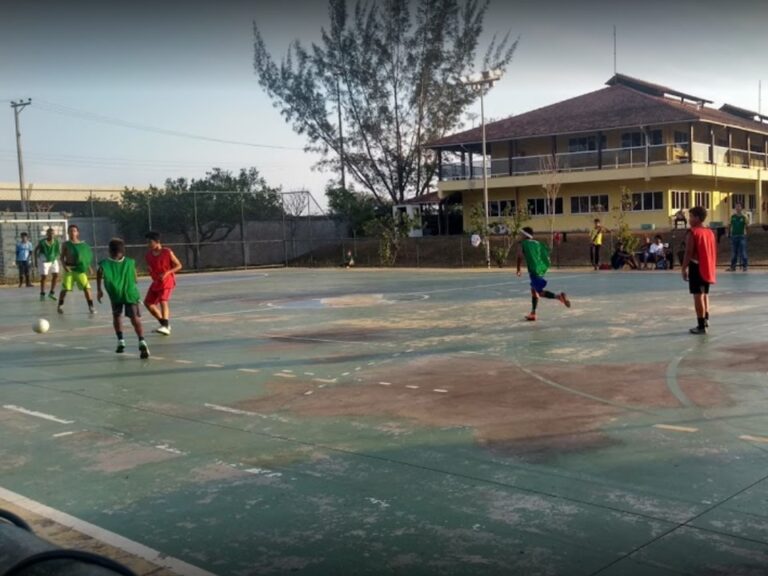
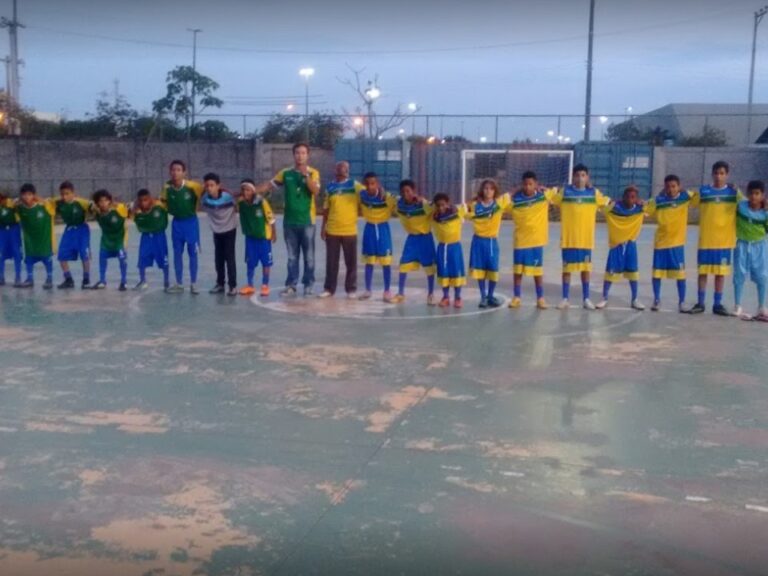
The NUPEM/UFRJ sports court is a space for academic community integration and social interaction with the surrounding community and other UFRJ units in Macaé, fostering moral and social human values within a public space. The sports court is also an alternative space for shared use by the academic community and residents of the São José do Barreto neighborhood, who can also use it for sports activities. Soon, the sports court will be covered, allowing for other open-area activities, which is particularly relevant in the post-pandemic context.


Classrooms
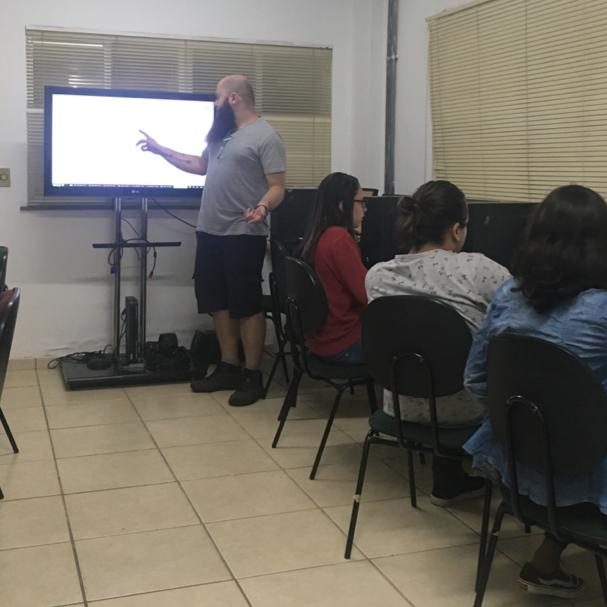
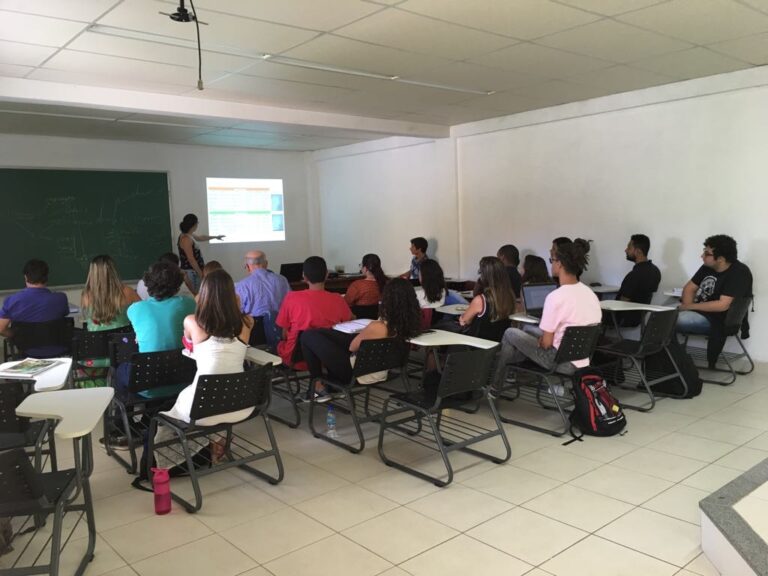
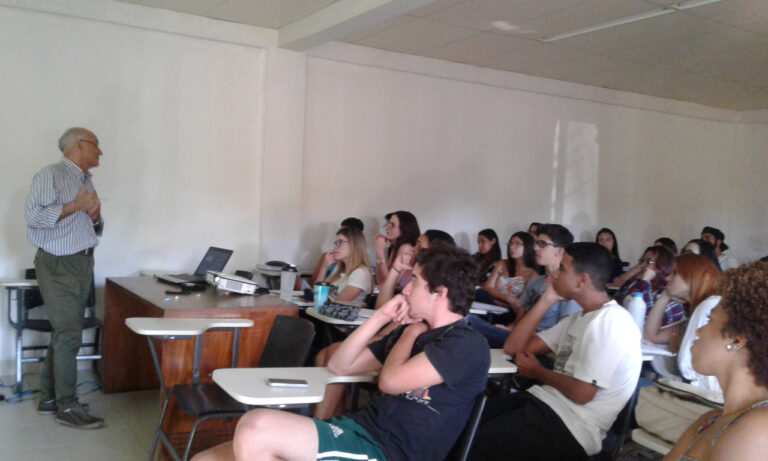
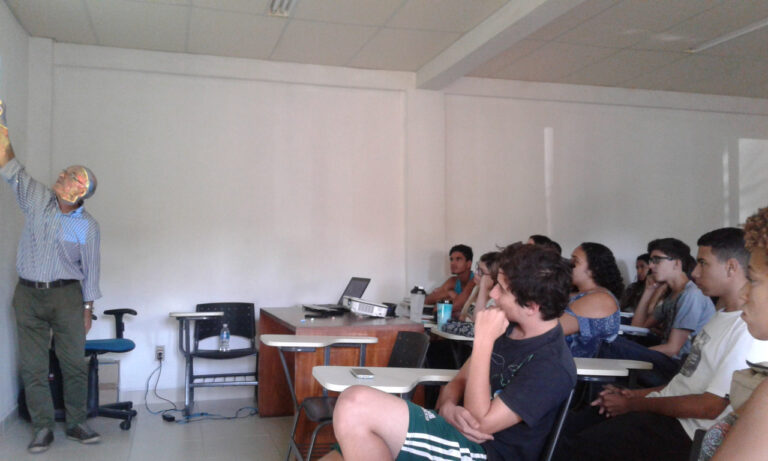
NUPEM/UFRJ has 11 classrooms distributed across two buildings. Most of the rooms accommodate large classes, with up to 50 students. In addition, each classroom is air-conditioned and equipped with a large blackboard/whiteboard and audiovisual equipment. The physical infrastructure is sufficient to meet the demands of the undergraduate degrees in Biological Sciences (both Teaching licensing and Bachelor courses), as well as, the Master’s and Doctoral programs in Environmental and Conservation Sciences, the Professional Master’s in Environment, Society and Development, the Multicenter Graduate Program in Physiological Sciences, and the Graduate Program in Science and Health Education, all offered at NUPEM/UFRJ.
Graduate Student Workspace
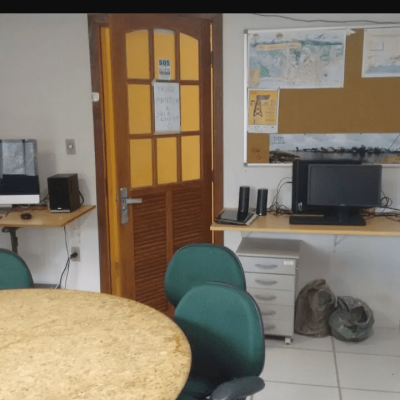
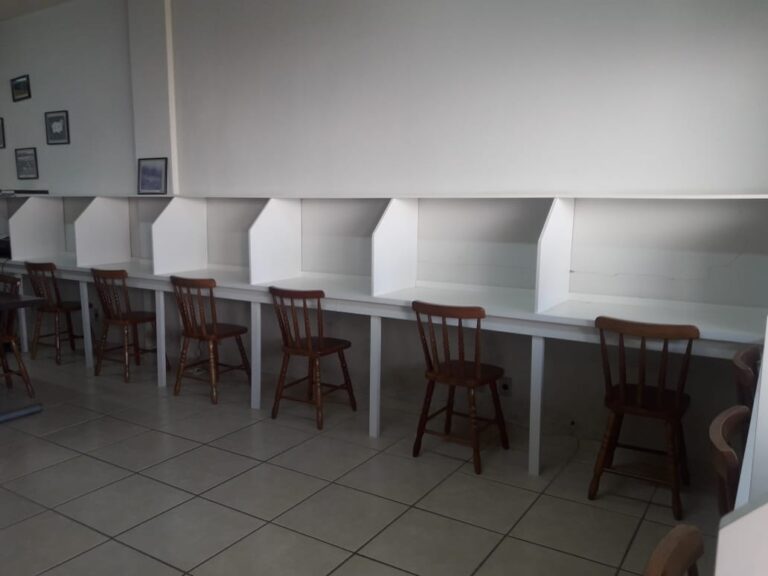
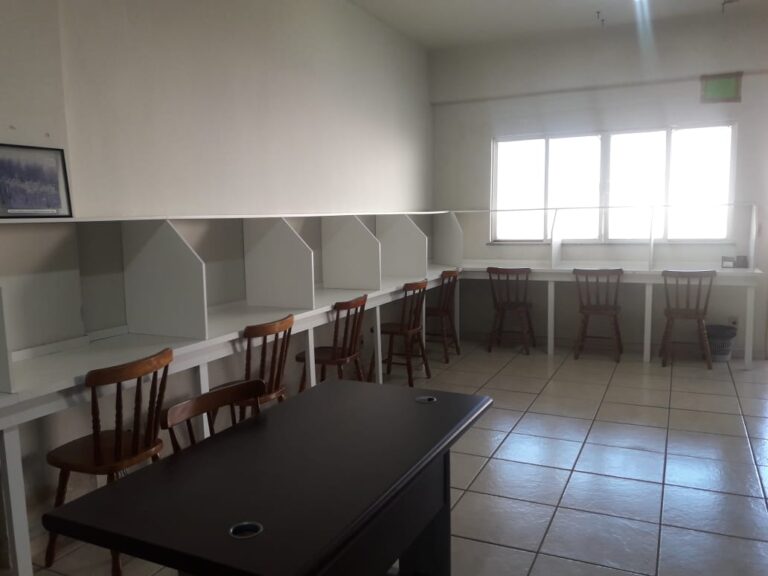
NUPEM/UFRJ offers a spacious shared room for graduate students to carry out academic work. The room is air-conditioned, has appropriate furniture, and provides internet access in an academic environment that fosters knowledge production. For students, having a space for reflection and work can be a decisive factor in consolidating their research projects, as well as, facilitating the exchange of experiences with peers.


Accommodations
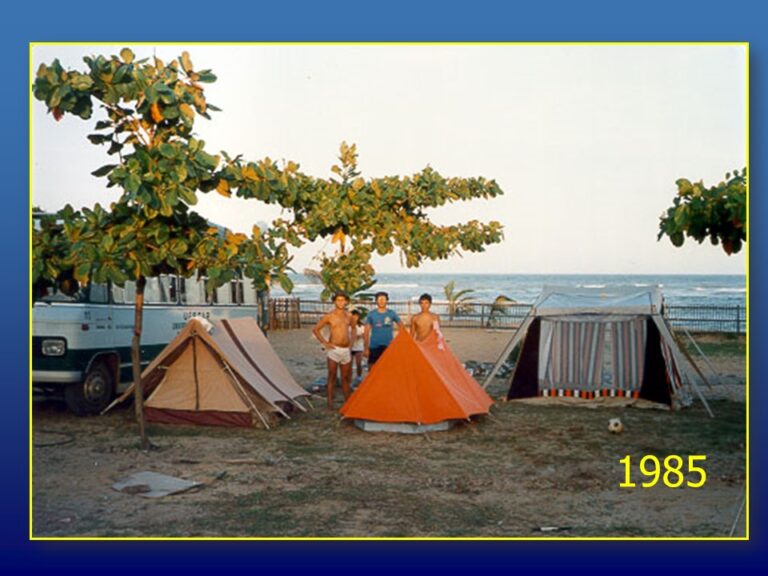
In the early 1980s, Professor Francisco de Assis Esteves and his students began their pioneer research on the ecology of the coastal lagoons of Macaé and surrounding areas. These studies led to the first publications about these ecologically unique ecosystems. At the time, research conditions were extremely precarious, and researchers spent several days camping on the lagoon shores, exposed to sun and rain, without any comfort or minimal operational conditions. These logistical challenges inspired a dream: to create a research center in Macaé that would house researchers and the continuity of coastal lagoons and other regional environment ecological studies.
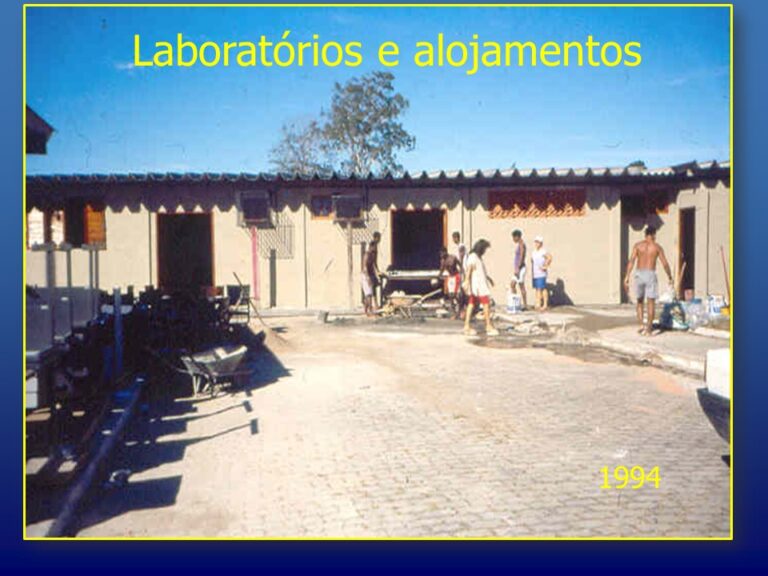
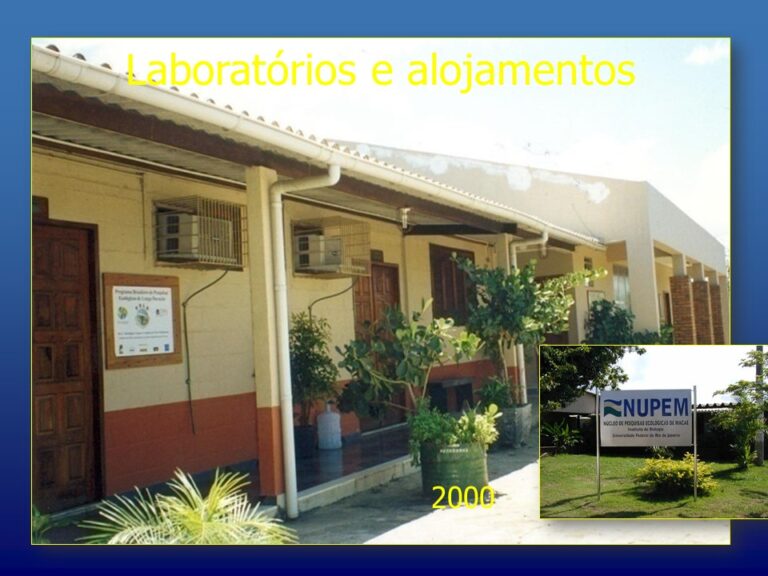
Therefore, NUPEM/UFRJ began with the creation of its infrastructure capable of receiving research groups and hosting researchers and students, contributing to the consolidation of knowledge about the ecological importance of the region and the need for UFRJ’s expansion into inland areas.
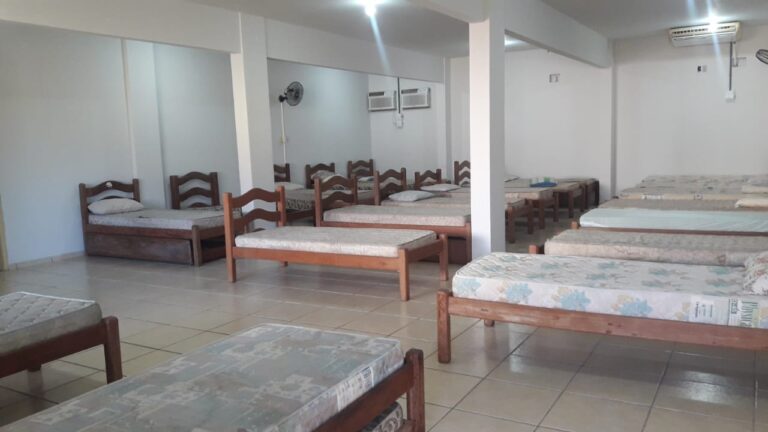
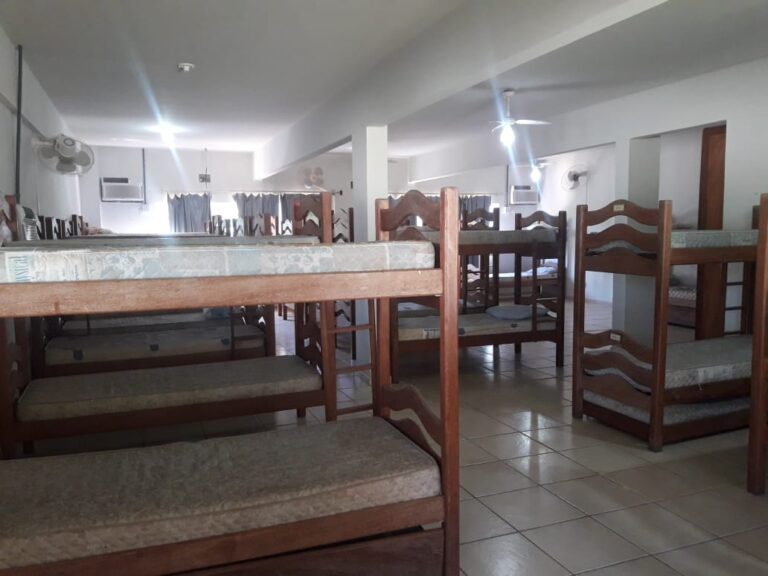
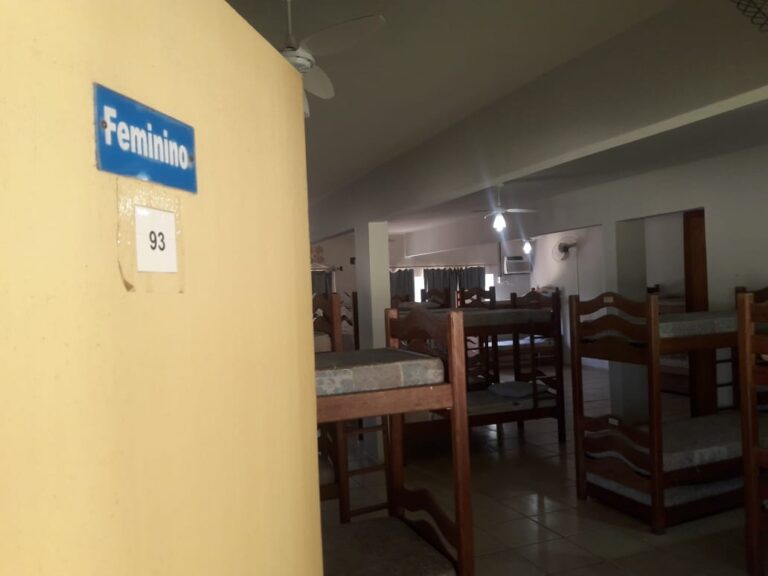
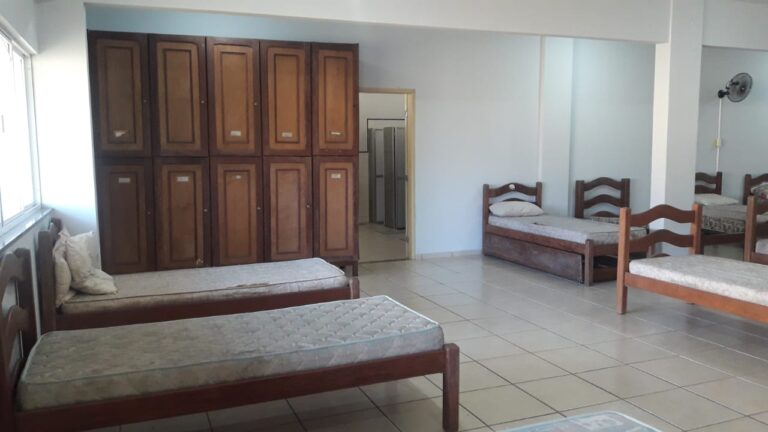
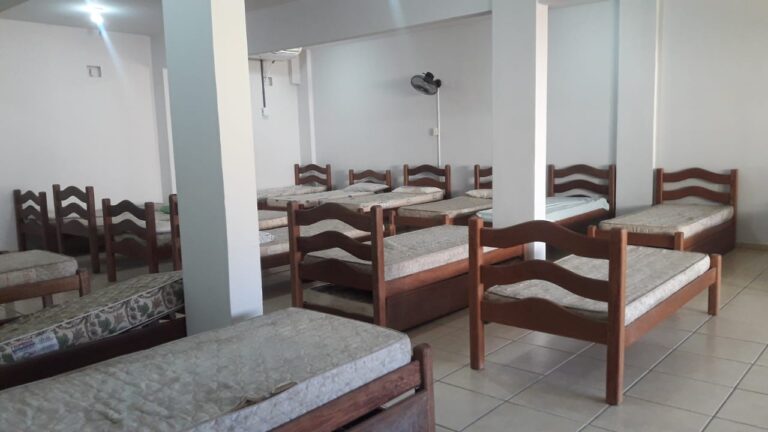
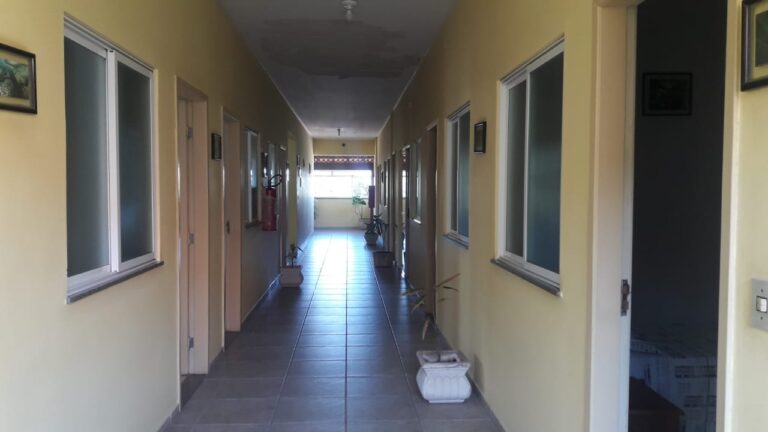
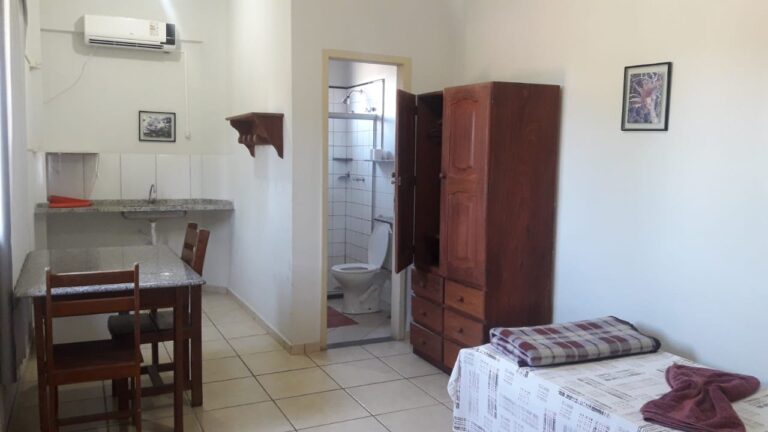
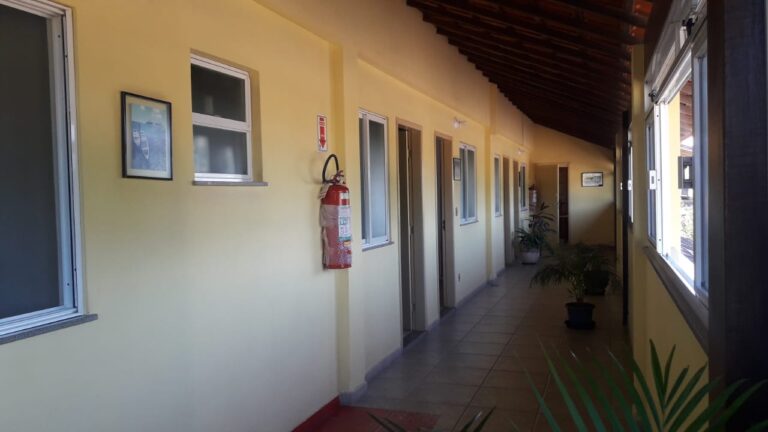
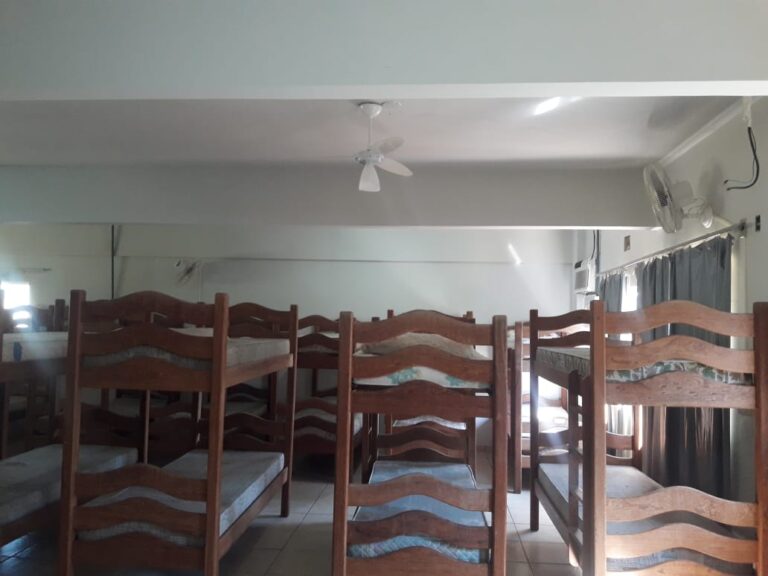
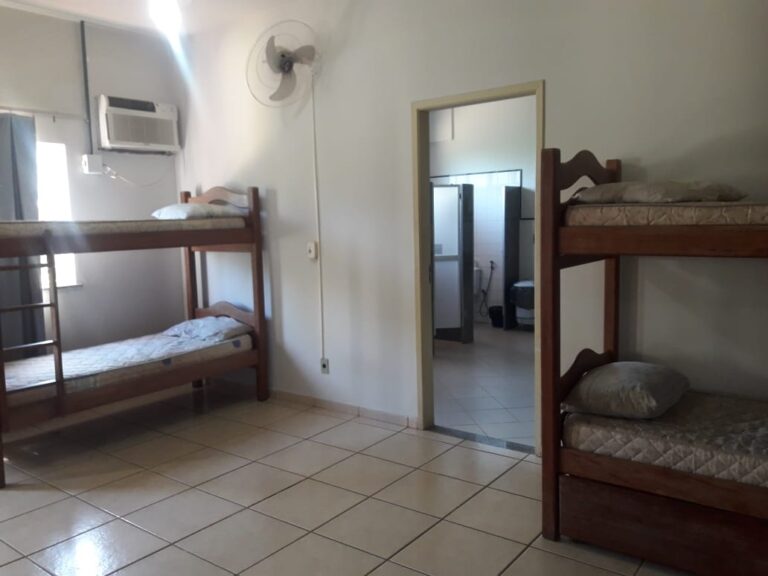
Today, NUPEM/UFRJ maintains accommodations and suites, for up to 80 people, for researchers conducting studies in the region who require lodging and laboratory support.